Impact of Middle East Conflict and Rising Oil Prices on the Glue Mouse Trap Industry
December 24, 2025
Recent geopolitical tensions in the Middle East have pushed global crude oil prices higher, sending shockwaves throughout the petrochemical supply chain. Although the conflict is geographically distant from most manufacturers, its economic impact is reaching a wide range of downstream industries, including the production of glue-based mouse trap products.
For manufacturers, adhesive is one of the most important raw materials. Most pressure-sensitive adhesives used in glue mouse traps are produced from petrochemical derivatives such as synthetic rubber, tackifying resins, and specialty polymers. As crude oil prices rise, chemical suppliers typically increase their prices, resulting in higher procurement costs for adhesive manufacturers. Since adhesive accounts for a significant portion of production costs, even modest price increases can reduce profit margins, particularly for exporters competing in price-sensitive international markets.
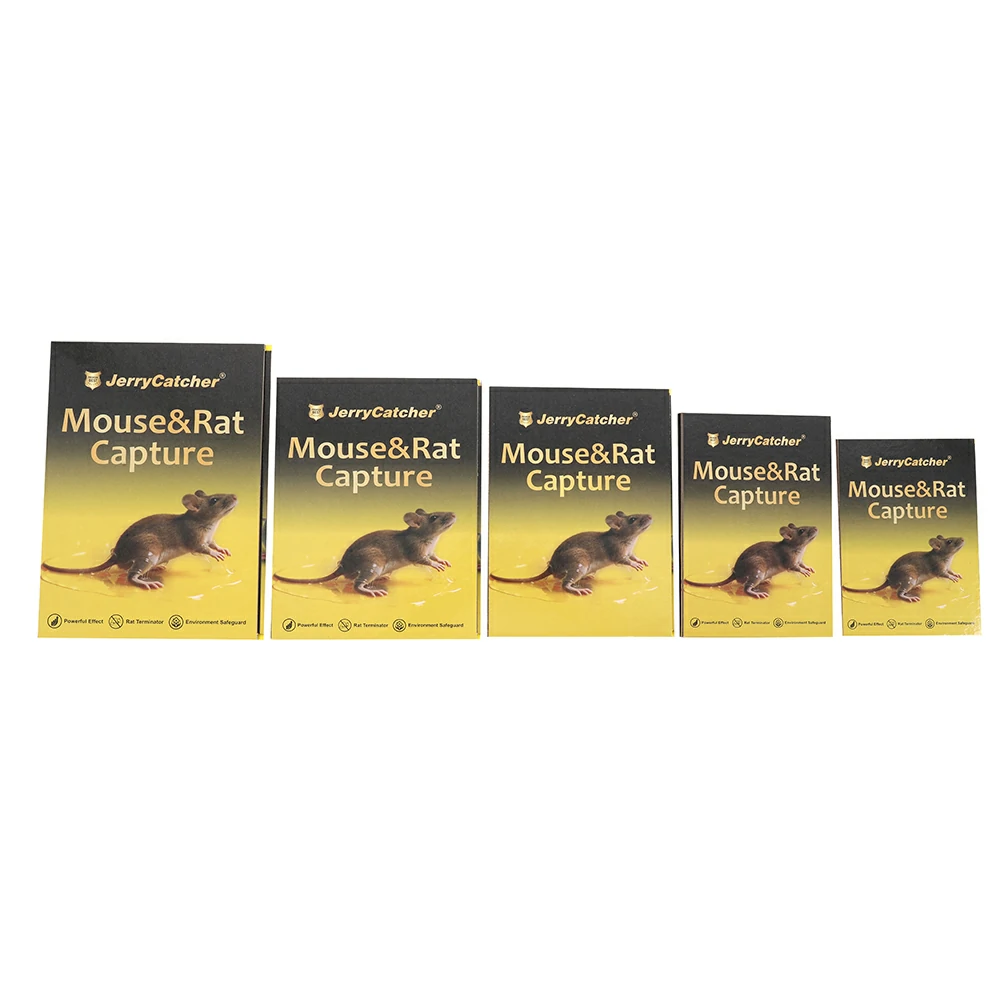
Cardboard, another essential material used for trap bases and packaging, is also affected by higher energy costs. Paper mills consume large amounts of electricity and fuel during production, while transportation expenses rise alongside diesel prices. As a result, manufacturers often face higher costs for both raw cardboard and finished packaging materials, creating additional pressure across the production process.
Despite these cost challenges, demand for mouse trap products remains relatively resilient. Effective rodent control continues to be essential for residential properties, food processing facilities, warehouses, agricultural storage sites, and rapidly growing e-commerce logistics centers. Unlike many discretionary consumer products, pest control solutions address ongoing hygiene and safety requirements, making market demand comparatively stable even during periods of economic uncertainty.
The current situation highlights the importance of efficient supply chain management. Manufacturers are increasingly seeking long-term raw material partnerships, optimizing adhesive formulations to improve material utilization, and enhancing production efficiency to offset rising input costs. Diversifying supplier networks and improving inventory planning also help reduce exposure to sudden fluctuations in petrochemical pricing.
In the long term, oil price volatility is likely to remain a key factor influencing production costs across the pest control industry. While manufacturers have limited control over global energy markets, they can strengthen competitiveness through operational efficiency, cost optimization, and continuous product innovation. Companies that respond quickly to changing market conditions will be better positioned to maintain stable pricing, reliable supply, and sustainable profitability in an increasingly uncertain global environment.