Are Modern Rodent Traps Truly Humane for Pest Control Operations in Commercial and Residential Settings?
September 9, 2026
Humane pest management remains a central concern for commercial facility managers and municipal sanitation directors worldwide. Evaluating whether standard equipment causes unnecessary suffering requires a close look at mechanical designs and capture mechanisms. Traditional snap options kill targets instantly, while live-catch alternatives secure pests without fatal injuries. This article examines the humane aspects of various pest elimination devices, including mechanical snap units and adhesive boards. Procurement managers must weigh animal welfare standards against operational efficiency when stocking commercial inventory.
The short answer depends heavily on the specific equipment category deployed by sanitation teams. Instant-kill spring devices cause immediate unconsciousness, making them relatively humane compared to slow-acting chemical poisons. Conversely, sticky adhesive sheets draw ethical concerns regarding prolonged animal distress during capture. Facility operators must understand these mechanical differences to select appropriate pest management inventory for their B2B clients.
Mechanical Snap Traps Versus Instant-Kill Efficacy
Traditional wooden and plastic snap devices remain the most common pest elimination tools in global wholesale markets. These spring-loaded units rely on a sensitive trigger plate that releases a heavy metal strike bar instantly. When calibrated correctly, the bar strikes the rodent’s cervical spine, causing immediate neural shutdown and painless death.
Commercial buyers sourcing bulk inventory must evaluate trigger sensitivity and spring tension carefully. Poorly calibrated units fail to deliver a fatal blow, injuring pests rather than killing them quickly. Manufacturers of reliable rodent traps implement strict quality control standards to ensure consistent striking force across every production batch.
- Check spring wire gauge to ensure adequate striking velocity upon trigger release.
- Inspect wooden or plastic bases for structural integrity during high-speed assembly.
- Test trigger sensitivity using calibrated weight standards prior to wholesale packaging.
- Ensure strike bars feature rounded edges to prevent premature material tearing.
Live-Catch Cages and Animal Welfare Considerations
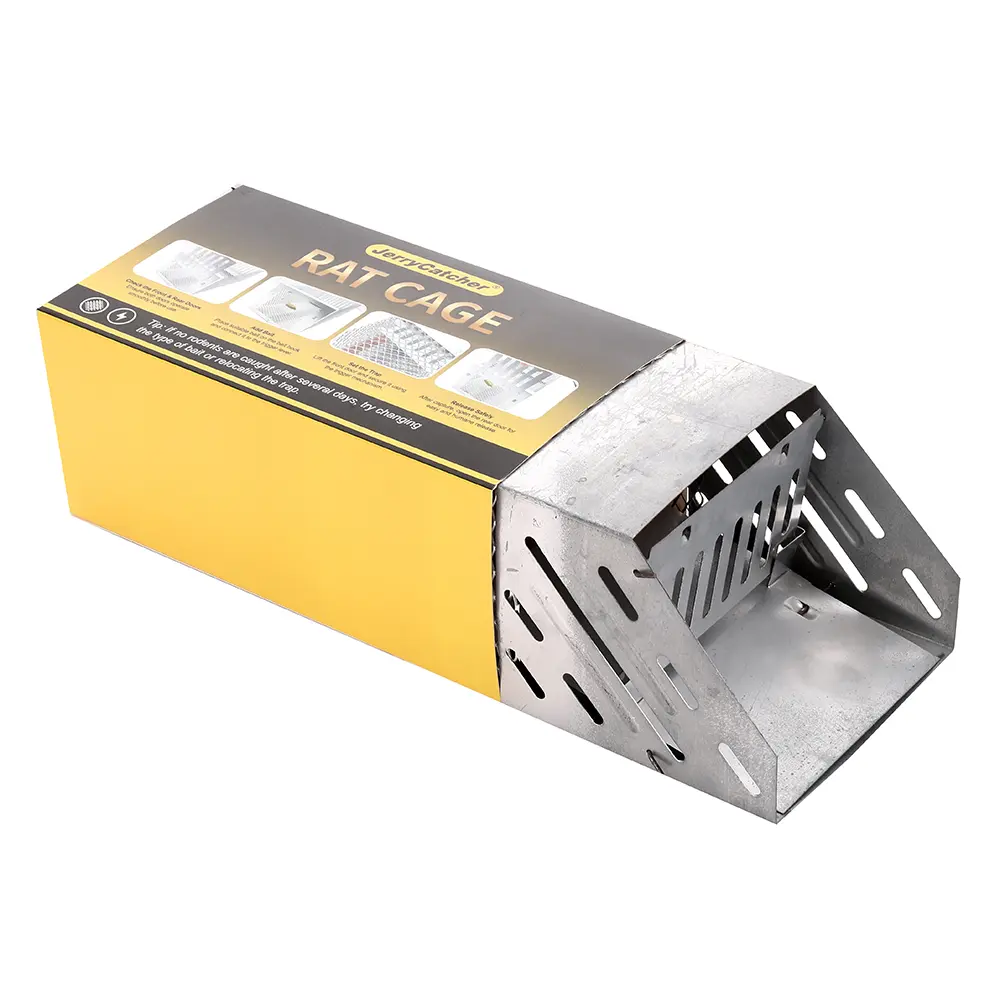
Live-catch units offer a non-lethal alternative for facilities prioritizing animal welfare and regulatory compliance. These wire mesh boxes allow rodents to enter via a one-way door enticed by food bait. Captured animals remain uninjured inside the enclosure until personnel relocate them to an outdoor habitat.
Deploying live-catch enclosures requires active monitoring schedules to prevent dehydration and starvation among captured pests. If left unattended for long periods, animals experience severe stress, self-inflicted injuries, and physiological decline. Sourcing a well-designed humane rat trap cage helps minimize animal suffering through smooth interior wire configurations and adequate ventilation ports.
- Check enclosure ventilation holes to maintain adequate airflow for live specimens.
- Inspect door locking mechanisms daily to prevent accidental escapes during holding periods.
- Position units in shaded areas to protect captured animals from extreme solar heat.
- Release trapped rodents according to local wildlife relocation guidelines and regulations.
Adhesive Boards and the Ethical Debate Over Sticky Devices
Adhesive boards immobilize pests using non-drying synthetic glue spread across cardboard or plastic trays. While highly effective in capturing mice without mechanical triggers, these sticky boards spark intense ethical criticism. Animals trapped on adhesive sheets struggle frantically, chewing off their own limbs or suffocating slowly from debris inhalation.
Many municipal jurisdictions and corporate clients ban adhesive sheets due to severe animal welfare concerns. Wholesale distributors must carefully evaluate market demand before stocking standard [rodent glue traps] or bulk [rat glue] inventory. Pest control professionals increasingly replace sticky sheets with rapid-strike mechanical options to align with corporate ESG guidelines.
Pest Control Device Welfare Comparison Matrix
| Device Category | Lethality Speed | Welfare Impact Level | Operational Efficiency |
| Spring Snap Devices | Instantaneous | Moderate | High |
| Live-Catch Enclosures | Non-Lethal | Low If Monitored | Medium |
| Adhesive Glue Boards | Slow Suffocation | High Distress | High |
| Electronic Zappers | Instantaneous | Low | High |
Electronic Control Units and Instantaneous Neutralization
Modern pest management incorporates battery-powered electronic units that deliver a high-voltage shock upon rodent entry. These devices eliminate mechanical spring mechanisms, utilizing internal metal plates to complete an electrical circuit. When a pest bridges the circuit, a controlled electrical discharge causes immediate cardiac arrest within seconds.
Electronic units offer clean disposal workflows because operators discard dead pests without viewing physical trauma. These devices also prevent accidental trigger snaps that injure technician fingers during warehouse placement. Wholesale buyers seeking advanced inventory should examine various [rats traps] engineered with integrated digital LED indicators.
Ready to upgrade your wholesale pest management inventory? Contact our team today to discuss custom manufacturing requirements and bulk pricing options.
Sourcing Durable Equipment for Wholesale Distribution
Wholesale distributors must secure reliable manufacturing partners to maintain consistent product quality and supply chain stability. Defective spring mechanisms or weak plastic housings damage brand reputation in competitive international markets. Procurement managers require strict factory audits and sample testing before committing to large-scale container orders.
A dependable [rodent trap] supplier implements rigorous tension testing and corrosion-resistant metal coatings for all steel components. Selecting high-grade polypropylene plastics prevents cracking during cold-weather transit and outdoor storage. Quality assurance protocols protect end-users and ensure reliable mechanical performance across diverse commercial environments.
- Verify galvanization thickness on steel strike bars to prevent rust formation.
- Inspect plastic housing thickness for impact resistance during shipping cycles.
- Confirm bait cup design allows easy access for rodents without premature triggering.
- Review master carton drop-test results to minimize transit damage rates.
Regulatory Standards and Global Compliance
International pest control distribution requires strict adherence to regional animal welfare laws and chemical safety mandates. Exporting manufacturers must comply with standards set by organizations like the RSPCA and local agricultural ministries. Regulatory compliance protects importing wholesalers from costly customs delays and retail product bans.
Navigating complex international regulations demands deep industry expertise from your manufacturing partner. Providing complete compliance documentation accelerates customs clearance for commercial shipments arriving at global destination ports. Wholesalers must prioritize suppliers who invest in certified testing laboratories and transparent material disclosures.
Environmental Impact of Pest Control Product Manufacturing
Sustainable manufacturing practices influence procurement decisions for corporate buyers and municipal purchasing departments. Producing plastic housings and steel components generates industrial waste that requires careful environmental management. Forward-thinking factories incorporate recycled polymers and energy-efficient injection molding machines to reduce their carbon footprint.
Evaluating the entire lifecycle of pest elimination hardware ensures minimal ecological degradation from production to final disposal. Sourcing durable equipment reduces replacement frequency, lowering overall material consumption across global supply chains. Procurement directors must analyze both unit costs and environmental metrics when selecting long-term manufacturing partners.
Frequently Asked Questions
Are traditional snap units considered humane for pest control?
Traditional snap units are considered relatively humane when properly calibrated because they cause instant unconsciousness and rapid death.
Why do animal welfare groups criticize adhesive boards?
Adhesive boards cause prolonged suffering, as trapped animals experience starvation, dehydration, and severe physical distress over several days.
How do electronic discharge units kill rodents?
Electronic units deliver a controlled high-voltage electrical shock that induces immediate cardiac arrest when the rodent enters the chamber.
What is the advantage of live-catch enclosures over lethal options?
Live-catch enclosures allow non-lethal removal, making them suitable for sensitive locations where killing pests is prohibited or restricted.
Lanxi Puyoung manufactures high-performance pest management equipment and commercial hardware solutions for global wholesale distributors. Our engineering team specializes in producing durable [rodent control products], including precision snap mechanisms and humane catch cages. We help B2B buyers secure reliable inventory that meets international safety standards and market demands.
References:
- World Health Organization. Public Health Pest Control Guidelines. https://www.who.int
- Royal Society for the Prevention of Cruelty to Animals. Pest Control Welfare Standards. https://www.rspca.org.uk
- United States Environmental Protection Agency. Integrated Pest Management Principles. https://www.epa.gov